A home workspace should support your focus without feeling cold or overly formal. Whether you work from home, study, manage household tasks, or enjoy creative hobbies, a relaxing setup can make your time at the desk more comfortable and enjoyable.
The best workspace is not necessarily the largest or most expensive. With a few thoughtful choices, you can create a calm area that feels organized, welcoming, and suited to your daily routine.
Choose the Right Location
Start by choosing a spot that fits the way you work. A separate room is helpful, but it is not essential. A quiet corner of a bedroom, living room, hallway, or dining area can work well when arranged carefully.
Look for a location with:
– Enough space for your desk and chair
– Access to natural light, if possible
– Minimal foot traffic and background noise
– Nearby power outlets
– Room for basic storage
– A clear boundary between work and relaxation areas
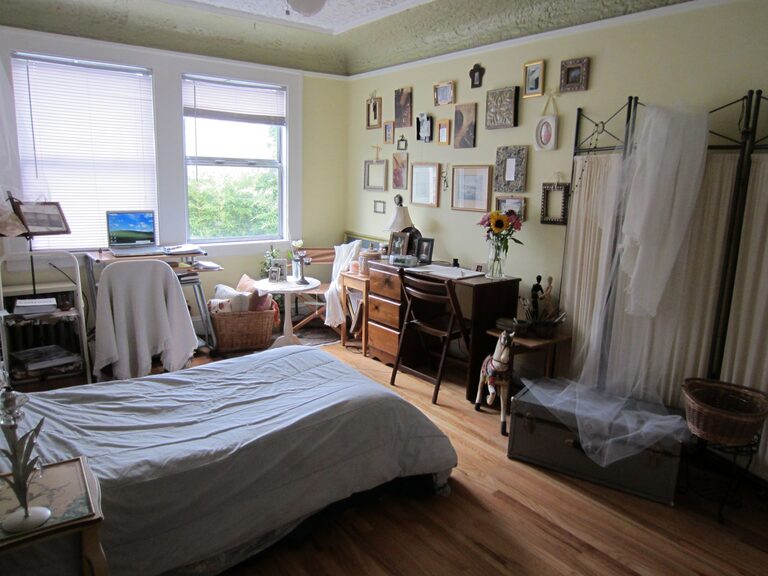
If your workspace is in a shared room, use a small rug, bookcase, folding screen, or change in wall color to define it. Creating a visual boundary can make the area feel more intentional and help separate work time from the rest of your home.
Select a Comfortable Desk and Chair
Comfort is one of the most important parts of a relaxing workspace. Choose a desk that provides enough room for your computer, notebook, lighting, and any other tools you use regularly. Avoid filling the entire surface with items, since a crowded desk can make the space feel stressful.
Your chair should allow you to sit comfortably for extended periods. Look for features such as:
– A supportive backrest
– A seat height that lets your feet rest flat on the floor
– Enough room to change positions
– Soft but durable upholstery
– Adjustable settings, when available
Position your screen so you do not need to constantly bend your neck or twist your body. Keep frequently used items within easy reach, and place less-used supplies in a drawer or nearby storage container.
A small footrest or cushion can also make the space feel more comfortable. The goal is to create a setup that encourages relaxed, natural movement rather than stiffness.
Use Soft, Balanced Lighting
Lighting can greatly affect the mood of a workspace. Harsh overhead lights may make the room feel tiring, while a dark desk can cause unnecessary eye strain and make it harder to stay focused.
Whenever possible, place your desk near a window. Natural light can make the room feel brighter and more open. Position the desk so the light comes from the side rather than directly behind your screen, which can create glare.
Add layers of lighting to make the space more flexible:
– A desk lamp for focused tasks
– Ambient lighting for a softer overall glow
– A small floor or table lamp for warmth
– Adjustable bulbs that allow you to change brightness
Choose lamps with simple shapes and shades that spread light evenly. Warm or neutral light can create a more inviting atmosphere, while brighter light may be useful during detailed work. Being able to adjust the lighting throughout the day helps the workspace feel comfortable in different conditions.
Keep the Color Palette Calm
Color plays an important role in how a workspace feels. Soft neutrals, gentle greens, muted blues, warm whites, and light wood tones can create a calm backdrop without making the area look dull.
You do not need to repaint the entire room. Try adding color through:
– A desk mat
– Curtains or blinds
– A small area rug
– Artwork
– Storage boxes
– Cushions or fabric accessories
If you prefer a more energetic space, include one or two brighter accents. The key is to avoid using so many competing colors that the workspace feels visually busy.
A consistent palette also makes it easier to keep the area looking organized. Choose accessories that complement one another rather than collecting unrelated items.
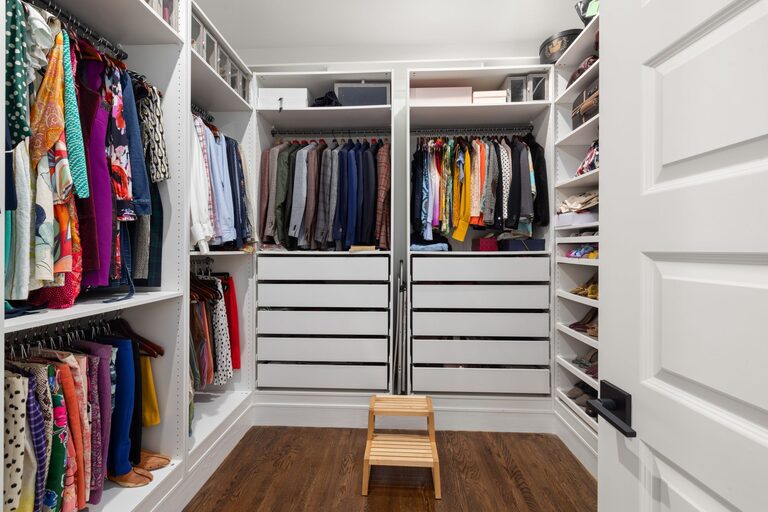
Reduce Clutter with Simple Storage
Clutter can make it difficult to relax and focus. Start by removing items you do not use regularly. Then group the remaining supplies by purpose, such as writing tools, documents, electronics, and creative materials.
Useful storage options include:
– Desk drawers
– Open shelves
– Small baskets
– File holders
– Lidded boxes
– Wall-mounted organizers
Use open storage for attractive or frequently used items, and closed storage for objects that may make the room look busy. Labeling boxes and folders can save time and make tidying easier.
Create a simple end-of-day routine. Return loose items to their storage locations, clear unnecessary papers, and prepare the desk for the next morning. Even five minutes of organization can help the room feel more peaceful.
Add Natural Elements
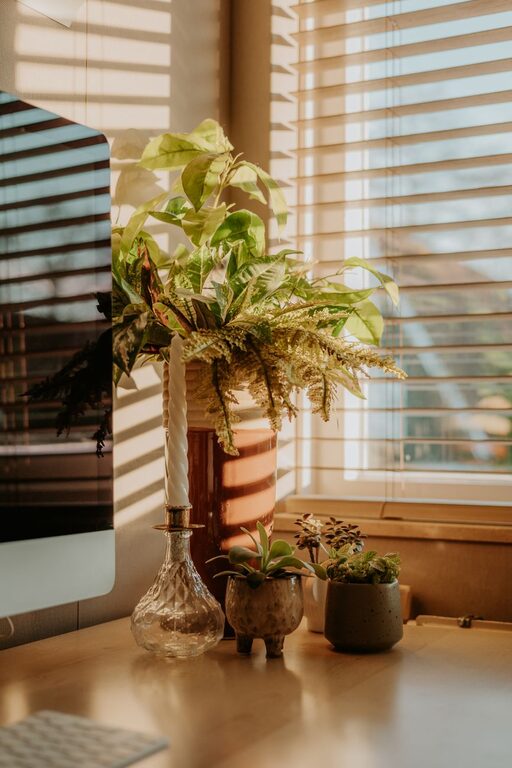
Natural details can make a workspace feel warmer and more inviting. A houseplant, small vase of flowers, wooden accessories, or woven basket can soften the look of technology and office supplies.
Choose plants that suit the available light and the amount of care you want to provide. If a real plant is not practical, dried branches, natural stones, or a high-quality artificial plant can add texture without requiring regular maintenance.
Other natural touches include:
– A wooden monitor stand
– A corkboard
– A woven lamp shade
– A cotton or linen curtain
– A small ceramic container
Use a few meaningful pieces instead of filling every surface. Natural materials work best when they complement the room rather than becoming another source of visual clutter.
Create a Comfortable Sound Environment
Noise can quickly disrupt a relaxing workspace. If your home is busy, consider using a door, curtain, or room divider to reduce distractions. A soft rug, fabric chair, and curtains can also help absorb sound.
Some people enjoy quiet background audio while working. Try gentle instrumental music, natural sounds, or low-volume ambient audio. Keep the volume low enough that it does not compete with your thoughts or important tasks.
If you prefer silence, make the workspace feel quieter by turning off unnecessary notifications and keeping devices that are not needed out of reach.
Add Personal Details Carefully
Personal items make a workspace feel like your own. Display a favorite photograph, a piece of artwork, a small collection, or an object connected to a hobby. These details can make the area feel less generic and more pleasant to use.
Choose a limited number of meaningful items. One framed print or a small display shelf may have more impact than a wall covered with decorations. Leave some empty space so the room can breathe.
You can also create a small comfort area with a mug, notebook, soft throw, or reading lamp. These simple touches make the workspace feel welcoming while still keeping it practical.
Build Relaxing Work Habits
A calming workspace works best when paired with simple habits. Begin each session by clearing the desk and deciding what you want to accomplish. During breaks, step away from the screen, stretch, open a window, or get a glass of water.
At the end of the day:
– Save and organize important files
– Put supplies away
– Wipe the desk surface
– Turn off unnecessary equipment
– Lower the lighting
– Make a short plan for the next session
These small actions create a clear transition between work and personal time. Over time, your workspace will become associated with focus, comfort, and a calmer daily rhythm.
Make the Space Your Own
A relaxing home workspace should reflect your needs, habits, and style. Focus on comfort first, then add organization, lighting, natural elements, and personal details. You do not need to change everything at once. Start with the area that causes the most frustration and improve it step by step.
With a thoughtful layout and a few simple routines, even a small corner can become a peaceful place to work, learn, and create.
About the Author