A bedroom refresh does not require a complete makeover or a large budget. With a few thoughtful changes, you can make the space feel cleaner, calmer, and more personal. The key is to focus on updates that have a noticeable effect, such as color, lighting, bedding, and organization.
Before buying anything, take a close look at what you already have. Moving furniture, removing clutter, or changing the arrangement can make the room feel new at no cost. Then, choose a few affordable improvements that support the mood you want to create.
Start With a Simple Plan
A clear plan helps you avoid unnecessary purchases. Begin by deciding how you want your bedroom to feel. You might prefer a bright and airy space, a cozy retreat, or a clean and uncluttered room.
Write down three words that describe your ideal bedroom, such as:
– Calm
– Warm
– Simple
– Colorful
– Organized
– Relaxing
Use these words to guide your choices. If an item does not match the look or purpose you want, it may not be worth adding.
Next, set a spending limit for the refresh. Divide it into categories such as bedding, lighting, storage, and decorative items. You do not need to spend equally in every category. For example, new bedding may create a bigger change than several small decorations.
Declutter Before You Decorate
Removing items is one of the most effective ways to refresh a bedroom. A crowded room can feel smaller and less relaxing, even when the furniture and decorations are attractive.
Work in small sections rather than trying to organize everything at once. Start with one drawer, one shelf, or one corner. Sort items into four groups:
– Keep
– Donate
– Recycle
– Relocate
Only keep items that you use, need, or genuinely enjoy. Put away seasonal clothing and remove objects that belong in other rooms. Clear surfaces such as nightstands and dressers, leaving only a few useful or meaningful pieces.
Once the room is less crowded, clean the surfaces, vacuum under the bed, and wash curtains or removable fabric items when possible. A clean foundation makes every other update more noticeable.
Rearrange the Furniture
Changing the layout can give your bedroom a completely different appearance. Try moving the bed to a new wall or positioning it so the room has a clearer walking path. Keep doors, closets, windows, and heating vents easy to access.
Consider these layout ideas:
– Place the bed where it feels balanced with the room.
– Leave enough space to walk comfortably around major furniture.
– Position a nightstand near the bed if possible.
– Avoid blocking natural light with tall furniture.
– Create a clear area for dressing, reading, or relaxing.
Take a photo of the original arrangement before moving anything. This gives you a reference if you want to return to it. You can also use paper cutouts or a simple sketch to test layouts before lifting heavy furniture.
Refresh the Walls With Color
Paint can make a strong visual difference, but you do not always need to repaint the entire room. A single accent wall behind the bed can add color and create a focal point. Soft greens, warm neutrals, muted blues, and earthy tones are easy to pair with many styles.
If painting is not practical, try lower-cost alternatives:
– Hang fabric or a large scarf as wall art.
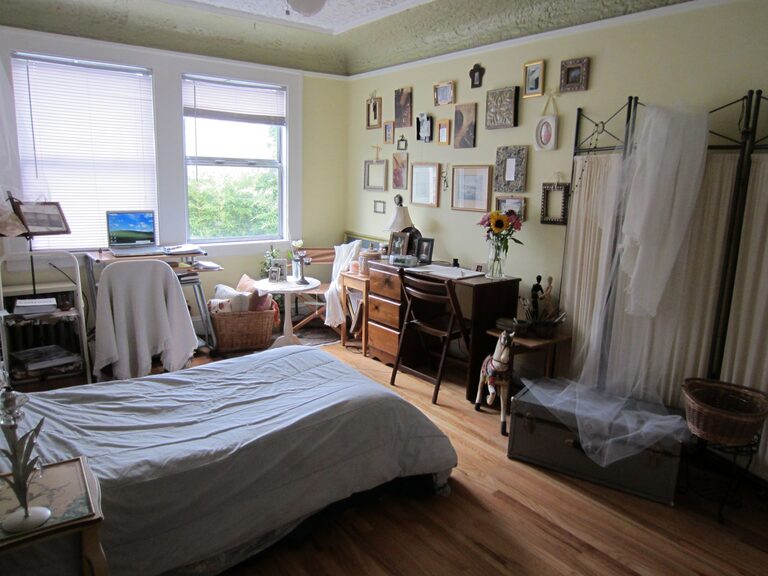
– Create a gallery wall with inexpensive frames.
– Display postcards, prints, or personal photographs.
– Use removable wallpaper on a small section.
– Add a simple painted border or geometric design.
When hanging items, arrange them on the floor first. This helps you test the spacing and balance before making holes in the wall. Keep artwork at a comfortable viewing height and avoid filling every available space.
Update the Bedding
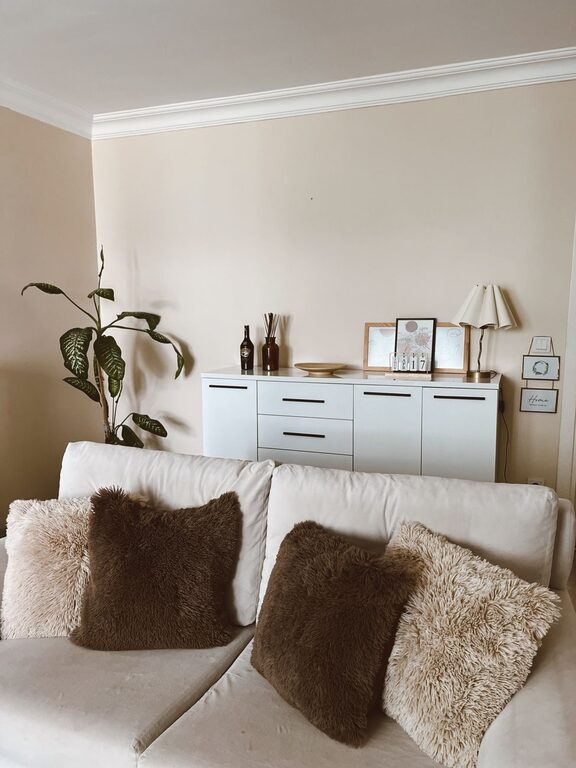
Bedding often takes up the largest visual area in a bedroom, so even one new piece can create a noticeable change. If replacing the entire set is not possible, start with pillow covers, a duvet cover, or a lightweight blanket.
Choose colors and textures that work with what you already own. For example, neutral bedding can be refreshed with patterned pillows, while colorful bedding may look more polished with simple solid-colored layers.
Try adding:
– Two decorative pillow covers
– A folded throw blanket at the foot of the bed
– A washable quilt or coverlet
– Crisp white or neutral sheets
– Textured fabric for extra warmth and interest
Make the bed neatly each day and wash bedding regularly. Good care can make older linens look and feel fresher for longer.
Improve the Lighting
Lighting has a major effect on the atmosphere of a bedroom. Bright overhead lighting can be useful, but softer light often creates a more comfortable evening setting.
Look for affordable ways to layer the lighting:
– Add a table lamp to a nightstand.
– Replace a harsh bulb with a warm white bulb.
– Use a small floor lamp in an empty corner.
– Hang string lights neatly along a headboard or shelf.
– Add a dimmer-compatible lamp if practical.
Choose lamps with shades that direct light gently rather than producing glare. Keep cords organized and away from walking paths. If you use candles, place them on a stable, heat-safe surface and never leave them unattended. Battery-powered lights can offer a simple alternative.
Make Storage Part of the Decor
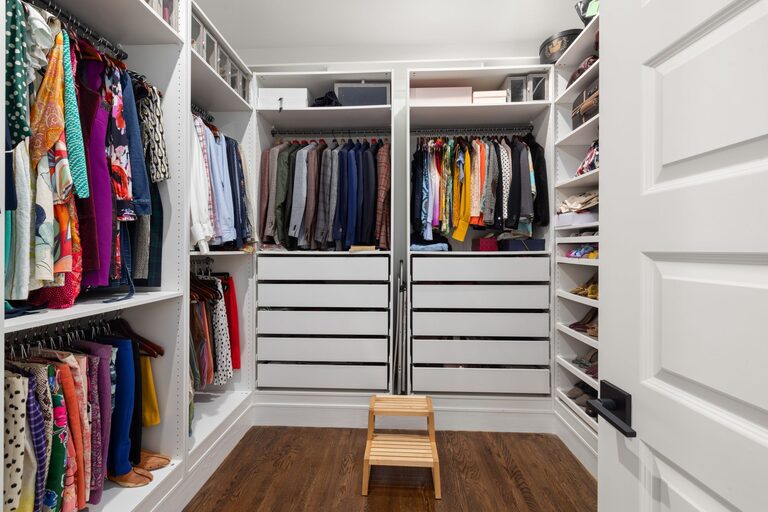
Useful storage can make a bedroom look more polished while keeping everyday items under control. Look for simple containers that fit your existing furniture instead of buying a complete storage system.
Affordable storage ideas include:
– Baskets for extra blankets
– Boxes for accessories or cables
– Hooks for bags, robes, or hats
– Under-bed containers for seasonal items
– A small tray for jewelry and daily essentials
Use attractive baskets or fabric bins where storage will be visible. For hidden areas, repurposed boxes can work just as well. Label containers if you frequently store similar items, so tidying up takes less time.
Add Personality With Small Details
A bedroom should feel like your space, not a showroom. Add a few personal items instead of filling the room with decorations. A framed photograph, favorite book, handmade object, or travel souvenir can make the room feel more inviting.
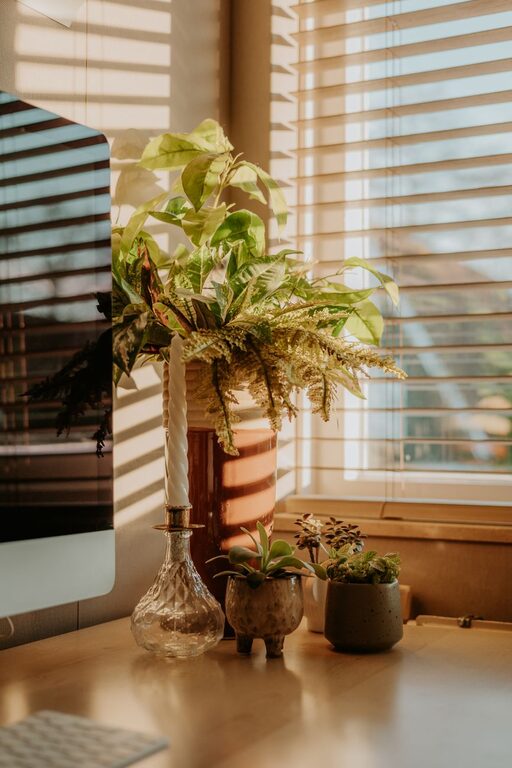
Plants can also add color and texture. Choose varieties that suit the light available in your room and select containers that match your style. If caring for plants is not practical, dried branches or high-quality artificial greenery can create a similar effect.
Other low-cost finishing touches include:
– A mirror to reflect light and make the room feel larger
– A small rug beside the bed
– A decorative tray on the dresser
– Matching hangers in the closet
– A simple headboard made from fabric or a painted panel
Use repetition to create a more finished look. For example, repeat one color in the bedding, artwork, and storage baskets.
Shop Carefully and Repurpose First
Before purchasing new items, check what can be cleaned, repaired, painted, or used in a different way. An old frame may look new with a coat of paint, and a small stool can become a nightstand.
When shopping, compare prices and check secondhand stores, local resale listings, and clearance sections. Look for versatile items that can serve more than one purpose. A storage bench, for example, can provide seating and hold blankets.
Avoid buying items simply because they are inexpensive. A small collection of unused decorations can cost more and create more clutter than one carefully chosen piece.
Finish With a Weekly Reset
A bedroom refresh lasts longer when the room is easy to maintain. Set aside a few minutes each week to put away clothing, clear surfaces, and return items to their proper places.
A simple reset routine might include:
- Make the bed.
- Put clothing in a closet, hamper, or drawer.
- Clear the nightstand.
- Return items to their storage spaces.
- Open a window when weather allows.
- Sweep or vacuum visible areas.
With a little planning and creativity, you can refresh your bedroom without replacing everything. Focus on comfort, organization, and a few high-impact details to create a space that feels welcoming every day.
About the Author