A living room refresh does not have to involve new furniture, expensive renovations, or a complete style change. Small updates can make the space feel cleaner, brighter, and more comfortable while keeping costs under control.
The best approach is to work with what you already have. Rearrange the furniture, edit the clutter, add a few thoughtful details, and focus on changes that have a noticeable visual impact. Here are practical ideas to help you refresh your living room on a budget.
1. Start With a Simple Declutter
Before buying anything, take a close look at the room. Remove items that no longer serve a purpose, belong elsewhere, or make the space feel crowded.
Clear coffee tables, shelves, and side tables so you can see what you truly want to keep. Group similar items together and store everyday clutter in baskets, boxes, or drawers.
A useful decluttering checklist includes:
– Removing outdated decorations
– Sorting magazines, books, and mail
– Clearing unused furniture from walkways
– Packing away seasonal accessories
– Keeping only a few favorite pieces on display
A less crowded room often feels refreshed immediately, and this step costs nothing.
2. Rearrange the Furniture
Changing the furniture layout can give the room an entirely different feel. Try moving the sofa to another wall, angling a chair toward the seating area, or creating a more inviting arrangement around a coffee table.
Avoid pushing every piece of furniture against the walls if the room allows for a little space around the seating. A sofa placed slightly forward can create a more connected conversation area.
Before moving heavy pieces, sketch a few layout ideas on paper or measure the room with a tape measure. Keep pathways clear and make sure doors, windows, and heating vents remain accessible.
You can also “shop” your own home by moving a side table, lamp, bench, or chair from another room into the living room.
3. Refresh Soft Furnishings
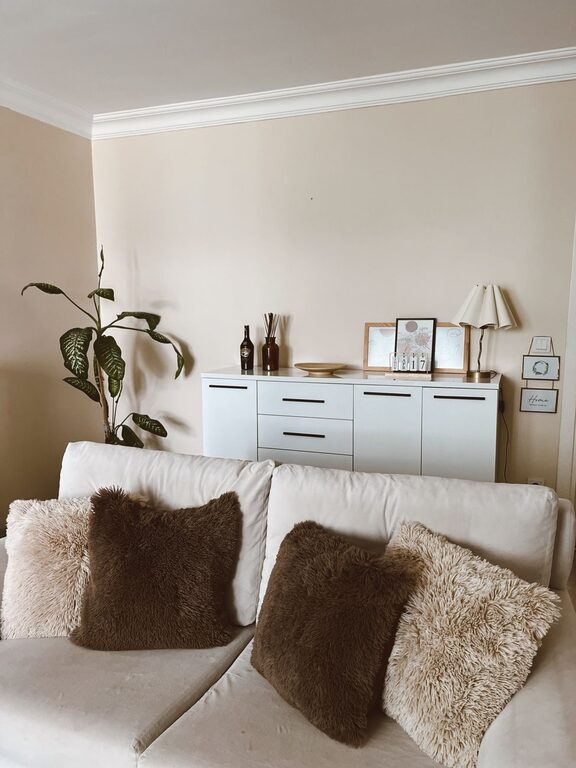
Soft furnishings are among the easiest and most affordable ways to change the look of a room. New pillow covers, a throw blanket, or a small area rug can introduce color and texture without replacing larger furniture.
Instead of buying several matching items, choose a simple combination of patterns and solid colors. For example, pair one patterned pillow with two pillows in complementary shades.
Consider these low-cost updates:
– Replace pillow covers instead of buying new pillows
– Add a textured throw to the sofa
– Layer a small rug over an existing neutral carpet
– Rotate cushions from another room
– Use a lightweight blanket to add seasonal color
If your sofa is still comfortable but looks tired, a well-arranged throw can cover worn areas and make the piece feel more polished.
4. Add a Fresh Coat of Paint
Paint can create one of the biggest changes for the lowest cost. You do not need to repaint the entire room to make an impact. Consider refreshing a single accent wall, the trim, an interior door, or a built-in shelf.
Light shades can make a small room feel more open, while warm neutrals can add comfort and softness. If the walls are already in good condition, focus on cleaning marks and touching up areas near corners, door frames, and switches.
For a budget-friendly result:
– Test paint samples in different lighting
– Use painter’s tape for clean edges
– Protect floors and furniture before starting
– Choose washable paint for busy rooms
– Save leftover paint for future touch-ups
A small amount of paint can also update a wooden stool, picture frame, or old side table.
5. Style the Coffee Table
The coffee table is often the center of the living room, so a simple styling update can make the whole space look more intentional. Keep the arrangement practical and avoid covering the entire surface.
Try grouping a few useful and decorative items, such as:
– A small tray
– A stack of books
– A candle or small bowl
– A low vase
– A small plant
– A decorative object with an interesting shape
Use a tray to keep smaller pieces together and make cleaning easier. Vary the height of the items so the display feels balanced, but leave enough open space for drinks, books, and everyday use.
6. Bring in Plants and Natural Elements
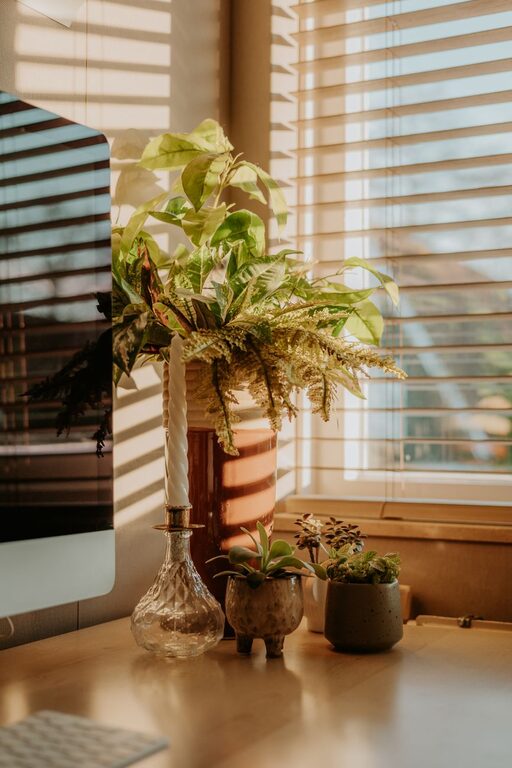
Plants can add color, texture, and life to a living room. You do not need a large collection or expensive planters. Start with one easy-care plant in an attractive container.
If natural light is limited, choose a plant suited to the conditions or use realistic faux greenery. A few branches in a simple vase can also create a seasonal display at little cost.
Other natural elements to consider include:
– Woven baskets
– Wooden trays
– Rattan accessories
– Dried grasses
– Stone or ceramic objects
These materials can make the room feel warmer without requiring a particular decorating style.
7. Update the Lighting
Lighting has a major effect on how a living room looks and feels. If replacing a fixture is not within your budget, make smaller changes first.
Move lamps to different surfaces, replace old lampshades, or switch to bulbs with a warmer color temperature. A floor lamp beside a sofa can create a comfortable reading corner, while a small table lamp can add a soft glow to a dark area.
Use several light sources at different heights rather than relying on one overhead fixture. This creates a more welcoming atmosphere and helps the room feel layered.
8. Create Affordable Wall Art
Empty walls can make a room feel unfinished, but filling them does not require expensive artwork. Create a simple gallery wall with family photos, postcards, children’s artwork, or printable designs.
For a coordinated look, use frames in the same color. For a more collected appearance, mix different frame styles while keeping the artwork connected by color or theme.
You can also:
– Frame fabric or wallpaper samples
– Display a large calendar
– Hang a decorative mirror
– Make simple abstract art with leftover paint
– Arrange a collection of small baskets
Before hanging anything, lay the pieces on the floor to test the arrangement. Leave consistent spacing between frames for a neat result.
9. Give Old Furniture a Second Life
Instead of replacing a worn piece, see whether it can be improved with a small repair or makeover. Clean wooden furniture, tighten loose handles, and replace dated hardware where possible.
A side table may look new with light sanding and a coat of paint. An old cabinet can become a useful storage piece with new knobs. Even cleaning and polishing furniture can bring back some of its original appeal.
Focus on one project at a time, and choose updates that match the condition of the item. A simple refresh is often more practical than a complicated makeover.
10. Use Baskets to Hide Everyday Clutter
Storage can be both useful and decorative. Baskets under a console table, beside the sofa, or on open shelving can hold blankets, games, remote controls, and other everyday items.
Choose baskets that complement the room’s colors and textures. A set of similar baskets can make open storage look organized, while one larger basket can serve as a practical statement piece.
Labeling is helpful if several people use the room. Keep frequently used items within easy reach and store less-used belongings higher up or in closed cabinets.
11. Change Small Details
Sometimes the smallest details create the biggest sense of change. Replace cabinet knobs, update curtain tiebacks, add a decorative switch plate, or change the arrangement of objects on a bookshelf.
Curtains can also affect the appearance of the room. Hang them close to the ceiling and let them reach near the floor to create a taller, more finished look. If new curtains are too expensive, wash and press the ones you already own.
Another easy update is to rotate decorations throughout the year. Store some accessories and bring them back later so familiar pieces feel new again.
12. Set a Clear Budget and Plan
A budget-friendly refresh works best when you decide how much you want to spend before shopping. Make a list of the changes that matter most and rank them by impact.
For example:
- Declutter and rearrange the room
- Improve lighting
- Add pillows, a throw, or a rug
- Update wall decor
- Add storage or plants
- Paint or refinish one item
Look for sales, secondhand finds, local swaps, and items you can reuse in new ways. Avoid buying several small decorations without a plan. A few carefully chosen pieces will usually make the room feel more cohesive than many unrelated items.
Make the Refresh Feel Personal
The most successful living rooms are comfortable and reflect the people who use them. Include books you enjoy, meaningful photos, favorite colors, and objects with a story.
You do not need to follow every decorating trend. By combining a thoughtful layout, comfortable textures, useful storage, and a few personal details, you can create a living room that feels fresh without spending a lot.
About the Author