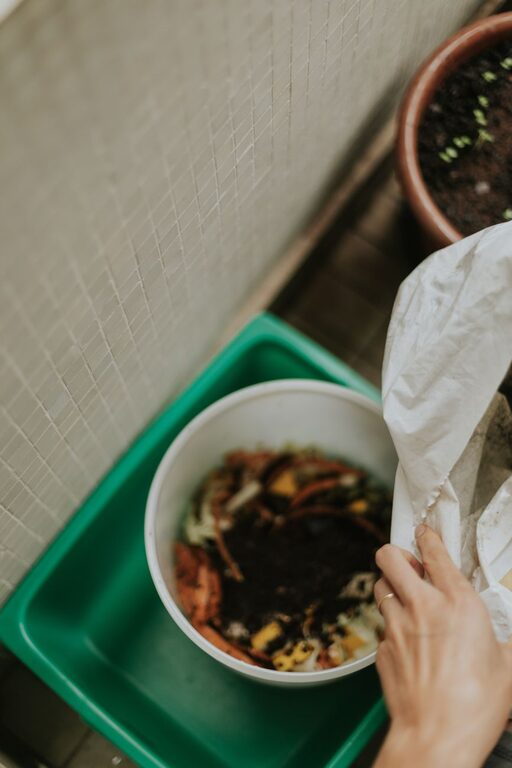
Composting is a simple way to turn everyday food scraps and yard waste into a useful soil amendment. Instead of sending these materials to the landfill, you can allow them to break down naturally and create compost for flower beds, vegetable gardens, lawns, and houseplants.
You do not need a large yard or special experience to begin. With the right container, a balanced mix of materials, and a little patience, almost anyone can start composting at home.
What Is Composting?
Composting is the natural process of breaking down organic materials, such as leaves, fruit scraps, and grass clippings. Tiny organisms, including bacteria and fungi, feed on these materials and transform them into dark, crumbly compost.
Finished compost usually has an earthy smell and a texture similar to rich soil. It can help improve soil structure, support moisture retention, and return nutrients to the ground.
Composting works best when four basic elements are present:
– Organic materials
– Air
– Moisture
– Time
A healthy compost pile also needs a balance between materials rich in nitrogen and materials rich in carbon.
Choose a Composting Method
Before collecting scraps, choose a method that fits your home and lifestyle.
Outdoor Compost Bin
An outdoor bin is a good choice if you have a yard, patio, or other outdoor space. You can buy a ready-made bin or build one from untreated wood or another suitable material.
Look for a location that is:
– Easy to reach
– Protected from strong wind
– Partly shaded
– Away from standing water
– Large enough to hold several months of material
The bin should allow air to enter and water to drain. A container with ventilation holes or open sides can help prevent unpleasant odors.
Compost Tumbler
A compost tumbler is a sealed container that can be turned by hand. Turning helps mix the materials and add air. Tumblers are often neat and convenient, especially for smaller spaces.
They may not hold as much material as a traditional bin, and they can dry out or become too wet if the mixture is not monitored. Even so, they are a practical option for beginners who want a contained system.
Indoor Worm Composting
Worm composting, also called vermicomposting, uses special composting worms to break down food scraps. It can work in an indoor bin, basement, garage, or sheltered outdoor space.
This method requires more careful setup than a basic outdoor pile. You will need the right type of worms, bedding, moisture, and food scraps. It can be a useful choice for apartment residents, but it is important to follow the instructions for the specific worm bin you use.
Learn the Difference Between Green and Brown Materials
A balanced compost pile includes both green and brown materials.
Green Materials
Green materials are generally rich in nitrogen. They help provide fuel for the organisms that break down the pile.
Common examples include:
– Fruit and vegetable scraps
– Coffee grounds and paper filters
– Fresh grass clippings
– Young weeds without seeds
– Fresh plant trimmings
– Plain leftover grains
Brown Materials
Brown materials are generally rich in carbon. They help create structure and allow air to move through the pile.
Common examples include:
– Dry leaves
– Small twigs
– Shredded plain paper
– Plain cardboard
– Untreated sawdust
– Straw
– Dried plant stems
A simple beginner guideline is to use about two or three parts brown material for every one part green material by volume. You do not need to measure every ingredient exactly. If the pile is wet or smells bad, add more brown material. If it is dry and barely changing, add a small amount of green material and moisture.
What to Put in the Compost Bin
Many household and yard materials can be composted safely.
Good choices include:
– Vegetable and fruit scraps
– Eggshells, crushed into small pieces
– Coffee grounds
– Tea leaves or tea bags made from compostable materials
– Leaves and grass clippings
– Untreated paper and cardboard
– Small amounts of plain cooked grains
– Plant trimmings
Cutting large scraps into smaller pieces can help them break down more quickly. For example, chop thick vegetable stems, tear cardboard into pieces, and crush eggshells before adding them.
What to Leave Out
Some items can attract pests, create strong odors, or break down too slowly in a home compost pile.
Avoid adding:
– Meat, fish, and bones
– Dairy products
– Greasy or oily foods
– Pet waste
– Diseased plants
– Weeds with mature seeds
– Glossy or heavily coated paper
– Chemically treated wood
– Large branches
– Synthetic materials
Some commercial composting systems accept materials that basic home bins should avoid. Check the instructions for your specific system before adding anything unusual.
Build Your First Compost Pile
Start with a layer of coarse brown materials, such as small twigs or dry leaves. This helps air circulate at the bottom of the pile.
Then add alternating layers of green and brown materials. Cover food scraps with a layer of brown material each time you add them. This can reduce odors and make the pile less attractive to insects.
A practical routine looks like this:
- Add food scraps to the center of the pile.
- Cover them with dry leaves, shredded paper, or plain cardboard.
- Add water if the materials feel very dry.
- Mix or turn the pile occasionally.
- Continue adding materials as they become available.
The pile should be moist but not soaked. A useful comparison is a damp, wrung-out sponge. If water drips when you squeeze a handful, the pile may be too wet.
Manage Common Compost Problems
Composting problems are usually easy to correct once you identify the cause.
Bad Smell
A strong rotten or sour smell often means the pile is too wet or lacks air. Add dry brown materials and turn the pile to improve airflow.
The Pile Is Too Dry
A dry pile may break down very slowly. Add a little water while mixing it. Fresh fruit and vegetable scraps can also provide moisture, but avoid adding large amounts at once.
The Pile Is Not Breaking Down
A pile may be slow because it is too small, too dry, or made mostly of tough materials. Add a better balance of green and brown materials, keep the pile slightly moist, and cut large items into smaller pieces.
Insects or Animals
Cover food scraps with brown materials and avoid adding meat, dairy, and oily foods. A secure lid can help keep animals away. If pests continue to appear, move the bin to a more suitable location or consider a fully enclosed system.
Turn the Compost Regularly
Turning mixes the materials and introduces air. You can use a garden fork, shovel, or the turning handle on a tumbler.
For a basic outdoor pile, turning every week or two is a reasonable starting point. More frequent turning may speed up decomposition, but it is not essential. A compost pile can still develop with minimal attention.
Try to mix the outer, drier materials into the warmer center. This helps the entire pile break down more evenly.
Know When Compost Is Ready
Finished compost is dark brown, crumbly, and earthy smelling. You should not be able to recognize most of the original materials, although small pieces of leaves or twigs may remain.
Depending on the method, materials, weather, and amount of attention, compost can take several months or longer to finish. If the compost is still warm, wet, or full of recognizable scraps, give it more time.
You can screen out larger pieces and return them to the active pile. This leaves you with a finer material for garden use.
How to Use Finished Compost
Add finished compost to garden soil before planting, or spread a thin layer around established plants. You can also mix a small amount into potting soil, provided it is fully finished and free of unpleasant odors.
Use compost as a soil amendment rather than a complete replacement for soil. A moderate amount is usually enough to improve the texture and condition of garden beds.
Start small, pay attention to moisture and balance, and adjust your routine as you learn. Composting becomes easier with practice, and even a small household bin can reduce waste while producing a useful material for plants.
About the Author