Planning balanced meals does not have to mean following a strict schedule, counting every ingredient, or cooking something new every day. A practical plan should make life easier, not add another source of pressure.
The key is to use a simple structure, keep flexible ingredients on hand, and allow room for busy days. With a few basic habits, you can create meals that include variety and satisfaction while working with your time, budget, and preferences.
Start With a Simple Meal Formula
A balanced meal can be built from a few basic groups:
– A source of protein
– Vegetables or fruit
– A source of carbohydrates
– A small amount of fat or a flavorful topping
This does not need to be exact at every meal. Think of the formula as a guide rather than a rulebook.
For example, a meal might include roasted chicken, brown rice, green beans, and a yogurt-based sauce. Another option could be bean tacos with corn, lettuce, avocado, and salsa. A breakfast of oatmeal with fruit, nuts, and milk also follows the same general idea.
Using a formula helps you make decisions quickly. Instead of searching for a perfect recipe, you can ask, “What protein do I have?” and “Which vegetable or fruit would go well with it?”
Plan Around Your Real Schedule
Before choosing meals, look at the week ahead. Consider work hours, school activities, appointments, travel, and days when you are likely to feel tired.
A plan that ignores your schedule is difficult to maintain. If you know Tuesday will be busy, choose a meal that can be prepared in advance or assembled in a few minutes. If you have more time on Sunday, use that opportunity to cook a larger batch.
Try dividing the week into three types of meals:
Quick meals
These can be ready in about 15 to 20 minutes. Examples include:
– Scrambled eggs with toast and fruit
– Pasta with vegetables and canned beans
– Rice bowls with leftover protein and frozen vegetables
– Whole grain wraps with turkey, cheese, and salad greens
Make-ahead meals
These can be cooked once and served more than once. Examples include:
– Vegetable soup
– Chili
– Baked pasta
– Cooked grains
– Roasted vegetables
– Shredded chicken or seasoned beans
Flexible meals
These allow everyone to choose their own combination. Try a taco bar, baked potato bar, grain bowl station, or sandwich night. Flexible meals are especially useful when people in the household have different tastes.
Choose a Few Meals, Not Every Detail
You do not need to decide every breakfast, lunch, snack, and dinner in advance. Start with three or four dinners and a few easy options for the other meals.
For example, a weekly plan might include:
– Monday: Sheet-pan chicken, potatoes, and vegetables
– Tuesday: Bean and vegetable tacos
– Wednesday: Leftover chicken bowls
– Thursday: Vegetable pasta
– Friday: Homemade pizzas with a side salad
This approach provides structure without making the week feel rigid. If plans change, move a meal to another day. A meal plan should be a useful list of ideas, not a schedule you have to follow perfectly.
Build a List of Reliable Ingredients
Keep a collection of ingredients that can be combined in several ways. This makes grocery shopping easier and reduces the chance of buying items that only work in one recipe.
Protein options
– Eggs
– Canned tuna or salmon
– Chicken
– Tofu
– Beans
– Lentils
– Plain yogurt
– Cheese
– Nuts and seeds
Vegetable and fruit options
Choose a mix of fresh, frozen, and canned items. Frozen vegetables can be especially useful on busy days because they require little preparation. Fresh apples, oranges, bananas, carrots, and salad greens are also easy to use in several meals.
Carbohydrate options
– Rice
– Potatoes
– Oats
– Pasta
– Whole grain bread
– Tortillas
– Quinoa
– Canned or frozen corn
Flavor boosters
Simple additions can make basic meals more enjoyable:
– Salsa
– Lemon or lime juice
– Garlic
– Dried herbs
– Soy sauce
– Mustard
– Peanut or seed butter
– Grated cheese
– Hummus
With these ingredients available, you can mix and match rather than starting from scratch each time.
Use Batch Cooking Carefully
Batch cooking can save time, but cooking too much of one meal may become boring. A better approach is to prepare components that can be used in different ways.
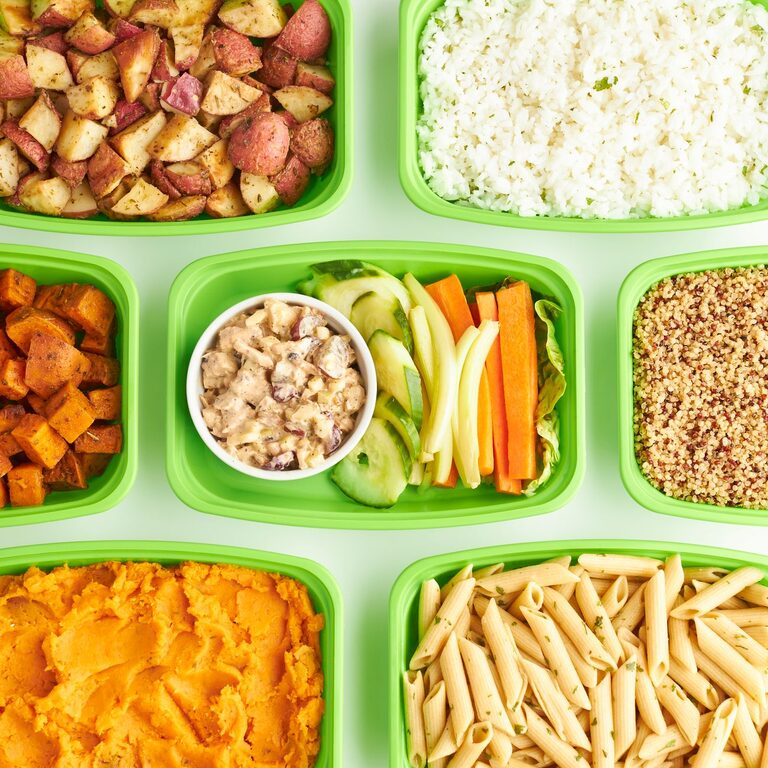
For example, cook a pot of rice, roast a tray of vegetables, and prepare a protein. During the week, use them for bowls, wraps, salads, or side dishes.
You can also prepare small amounts of several ingredients:
- Wash and cut a few vegetables.
- Cook one grain, such as rice or quinoa.
- Boil a few eggs.
- Make a simple sauce or dressing.
- Portion snacks into easy-to-grab containers.
This type of preparation may take less time than making several complete meals, and it leaves room for variety.
Make Room for Convenience Foods
Convenience foods can be part of a balanced meal plan. Prewashed greens, frozen vegetables, canned beans, rotisserie chicken, cooked grains, and prepared sauces can reduce the time needed to cook.
The goal is not to prepare everything from basic ingredients. The goal is to create meals that are practical and enjoyable.
When choosing packaged foods, compare options based on taste, price, storage, and how well they fit your meals. A shortcut is useful when it helps you eat at home more easily or prevents food from going unused.
Keep Breakfast and Lunch Simple
Breakfast and lunch often become stressful when they require too many decisions. Choose a short list of repeatable meals and rotate them.
Breakfast ideas include:
– Oatmeal with fruit and nuts
– Yogurt with granola and berries
– Eggs with toast and sliced fruit
– A smoothie with yogurt, fruit, and oats
– Whole grain cereal with milk and a banana
Lunch ideas include:
– Leftovers from dinner
– A grain bowl with vegetables and beans
– A sandwich with a side of fruit
– Soup with toast
– Hummus, vegetables, and a pita
Repeating favorite meals is not a failure of creativity. It is a practical way to save time. You can add variety through toppings, sauces, seasonal produce, or different seasonings.
Plan for Leftovers
Leftovers are one of the easiest ways to reduce cooking during the week. When preparing dinner, consider how the extra food could become a different meal.
Roasted vegetables can be added to eggs, pasta, or a wrap. Leftover chicken can become tacos or a salad topping. Extra beans can be mixed into soup, rice, or a quesadilla.
Store leftovers in clear containers and label them when helpful. Place foods you plan to eat soon where they are easy to see. This simple step can prevent forgotten meals and reduce waste.
Keep the Plan Flexible
Even the best plan will change. Ingredients may run out, schedules may shift, or you may not feel like eating what you planned.
Create a backup list of meals that require little effort. Keep a few shelf-stable and frozen ingredients available, such as pasta, canned beans, rice, frozen vegetables, eggs, and tortillas. These foods can become a meal without a special shopping trip.
It can also help to plan one “use what you have” meal each week. Look through the refrigerator and combine remaining ingredients into soup, fried rice, pasta, pizza, or a grain bowl.
A Low-Stress Weekly Routine
Use this simple routine to plan meals:
- Check your schedule for the coming week.
- Choose three or four main meals.
- Select easy breakfast and lunch options.
- Review ingredients already in your kitchen.
- Write a short grocery list based on what is missing.
- Prepare one or two ingredients when you have time.
- Adjust the plan as the week changes.
Balanced meal planning is less about perfection and more about having helpful options available. Start with a simple formula, use flexible ingredients, and choose meals that fit your actual life. Over time, the process can become a routine that saves time, reduces decision-making, and makes everyday meals feel easier.
About the Author